Is English Widely Spoken in Bangkok?
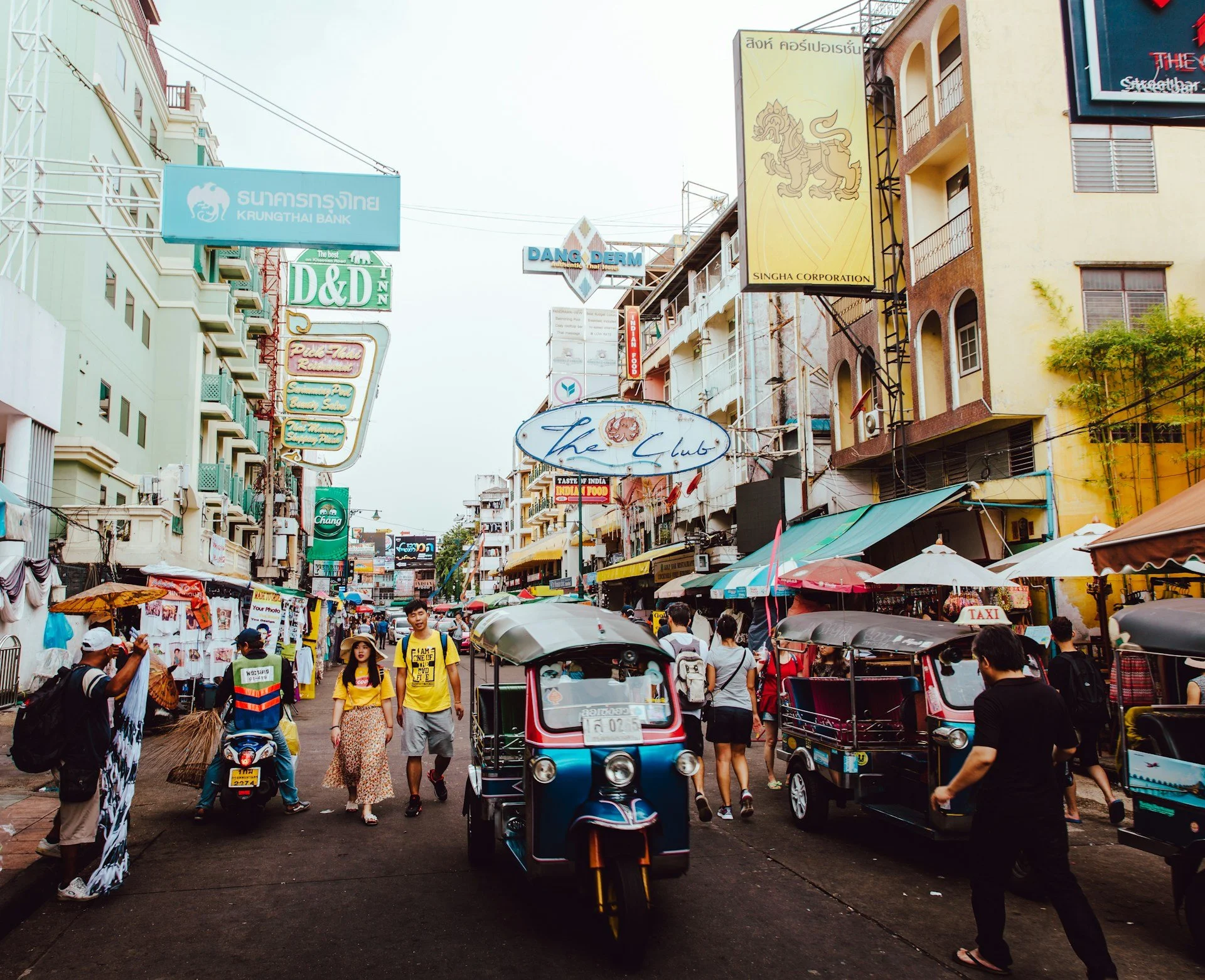
Photo by: Evan Krause via Unsplash
Bangkok is a thriving metropolis that draws tourists from around the world. English's importance cannot be overstated due to its status as a universal language used by people from all walks of life. This investigation examines the extent and proficiency of English usage in Bangkok. There is a discussion of English's value in a variety of settings, from the classroom to the workplace to intercultural dialogue.
In this article
Why English matters in a global city like Bangkok
How widely English is actually used day to day
The role of English in education and skill development
Where English proficiency is strongest — and where gaps remain
How English functions in tourism, work, and cultural exchange
What this means for visitors, expats, and locals
English's Significance in Global Communication
In the sphere of global interactions, trade, diplomatic efforts, and educational pursuits, English stands out as the most significant language. Its function as a common means of expression fosters connection and unity by enabling interaction and cooperation among individuals from diverse cultural and linguistic backgrounds. English plays a crucial role in driving economic growth within the business sector by enabling seamless communication in global enterprises, encouraging international investments, and supporting trade agreements.
Research, conferences, and publications are predominantly in English, making it easier to share fresh concepts and knowledge worldwide. Its impact on global diplomacy and politics aids in simplifying complex negotiations and fostering relationships between nations.
English facilitates communication among individuals from diverse cultural and linguistic backgrounds, fostering democracy and enriching cultural exchange. It significantly impacts modern society, shaping aspects from entertainment to technological advancements. The significance of the English language in fostering worldwide communication and progress is increasing alongside the speed of globalization.
The Importance of English in Bangkok
Bangkok, a bustling and multifaceted urban center, embodies the essence of global lifestyle. The city's multifaceted cultural fabric serves as a magnet for tourists from many parts of the globe. Bangkok serves as a prominent hub for tourism, business, and trade across the Southeast Asian region, with its significant cultural allure. The bustling marketplaces, modern buildings, and significant historical landmarks exemplify the diverse significance of the location.
Proficiency in the English language is a must for anyone visiting this vibrant metropolitan environment in order to effectively navigate its many aspects. The English language serves as a means of communication and enrichment for both residents and visitors, enabling effective interaction and augmenting their overall experiences. English serves as a valuable tool for travelers to enhance their interactions with the many attractions of Bangkok, including activities such as bargaining at markets, seeking directions, and participating in cultural exchanges.
The presence of bilingual signage, menus, and informational materials in both Thai and English is evident in the linguistic landscape of the city. English ability plays a pivotal role in augmenting the appeal of Bangkok, as it enables individuals to establish a more profound connection with the city's vibrant culture and its worldwide relevance.
Travel Toolkit
Bangkok works because of systems — transport, timing, payments, connectivity.
When you understand how those systems fit together, the city becomes easier to move through.
The Bangkok Unmapped Travel Toolkit outlines the practical tools we actually use to navigate daily life here.
→ View the Bangkok Travel Toolkit
The State of English Education in Bangkok
Bangkok's schooling system reflects the city's commitment to equipping its citizens for an international environment that is always shifting. Increased emphasis should be placed on English language education in light of globalization's impact on the competitiveness of the international labor market.
Fluency in English is becoming more important as the economies of the globe become more intertwined. Because of this, teaching English from a young age is a top priority in Bangkok. The capacity to communicate successfully across cultural borders is a skill that may be fostered in pupils by making the study of English a required subject.
The large number of English language schools in Bangkok is a direct result of this increasing demand. A wide variety of languages, from everyday Spanish to literary French, are taught in the city's many private language institutes. Another perk of living in Bangkok is easy access to the many international schools that employ English as their primary language of instruction. These institutions provide a comprehensive education that prepares students for success in any field.
Obstacles in Learning the English Language
Despite an ongoing dedication to English education in Bangkok, challenges remain. Students in public schools frequently encounter overcrowded classrooms and outdated teaching methods that prioritize memorization over critical thinking and practical application skills. This limits their ability to use the language effectively in everyday situations.
Students from low-income backgrounds often lack the resources to access high-quality English language programs, which adds substantially to the issue. This creates a language divide among different socioeconomic groups.
Another challenge that learners encounter is the anxiety of making mistakes, which impacts their ability to develop their conversational skills. Additionally, opportunities for genuine language practice suffer because of varying instructor skills and limited interaction with native speakers.
To address these challenges, it is essential to focus on enhancing teacher training, refreshing the curriculum, and providing immersive learning experiences that build confidence and encourage practical use of English.
Bangkok's English Proficiency Levels
The ability to communicate effectively in English is crucial in today's interconnected world, and many different indices are used to assess global language skills.
Exposure and Access
There are a variety of factors that affect how well individuals in Bangkok can converse in English. Institutions of higher learning in urban areas often provide better access to resources and English language teaching, highlighting the critical relevance of education. People from more affluent backgrounds have more opportunity to learn English, therefore socioeconomic status is also a factor. Exposure to English-language media, such as movies, music, and the Internet, may help in learning new languages.
Since there are so many international visitors and entrepreneurs in Bangkok, the city has become fluent in the English language. Having visitors and foreign residents in a city increases its exposure to the language. The necessity of understanding English to communicate with guests cannot be overstated, since the language is widely utilized in the hospitality business.
English Language Proficiency Tests
Two well-known measures of English language proficiency are the Test of English as a Foreign Language (TOEFL) internet-based test (iBT) and the EF English Proficiency Index (EF EPI). These tools help policymakers, educators, and people assess their language proficiency levels by providing valuable information into students' linguistic abilities.
The TOEFL iBT is often utilized in English-speaking nations as an English language exam for university admissions. To gauge a student's ability to succeed in an English-language classroom, it measures their proficiency in reading, listening, speaking, and writing.
The EF EPI ranks countries according to how well-versed their citizens are in reading, writing, speaking, and listening in English. Thailand's dedication to improving instruction in English is reflected in the country's continuously rising score on this indicator over the years. The capital city of Bangkok, however, tends to have greater levels of proficiency than the rest of the country.
English In Different Settings
In Hospitality and Tourism
Communication in English is crucial for Bangkok's tourism and hospitality industry, as it helps build bridges between locals and tourists from across the world. This common language bridges cultural and linguistic divides, making it easier for travelers visiting the city to meet and interact with people of different origins.
There is a significant range in the English proficiency of the most important service providers, and taxi drivers, hotel employees, and tourist guides are just a few instances. This approach not only illustrates the essence of connections, but also emphasizes the importance of concise yet clear communication when attempting to create lasting memories for visitors.
Speaking English is helpful for tourists in many aspects of their vacation. If taxi drivers in Bangkok know English, navigating the city's hectic streets should be a breeze. The hotel staff's fluency in English allows for a more comfortable stay, and knowledgeable tour guides facilitate discovery of the area's highlights.
In Entertainment and Cultural Exchange
The English language is widely utilized in Bangkok's recreational and entertainment scenes. The city's fondness for English-language culture, notably films, music, and television, reflects the global influence on local tastes. This influx has altered the linguistic and cultural landscape of Thailand by introducing English phrases and expressions into common use.
The city of Bangkok has become more popular with expatriates because of the wide variety of languages spoken there. English's status as a global language makes it easier for non-native speakers to interact with and learn from individuals who are fluent in it. Having a common language in English may help expats adapt into the communities where they live and increase connections amongst people of different backgrounds.
People from various walks of life may join together to enrich Bangkok's culture, further contributing to the city's global vibe. In this bustling metropolis, English is more than a means of communication; it fosters connections and a sense of belonging among people from all over the world.
In Professional Settings
In Bangkok, English is used extensively in both large multinational corporations and small local businesses. The ability to communicate and collaborate effectively in English is crucial while working in a global context.
In-depth interviews and case studies illustrate how the capacity to communicate in English has far-reaching effects on one's professional prospects, including access to better-paying employment, positions of greater managerial responsibilities, and even opportunities for international travel.
Those seeking employment in the hospitality and tourism industries should have native-level English language skills. In order to communicate with their international clientele, many hotel workers, excursion guides, and other service providers only speak English. There will be more business in the city and a better reputation for companies that can connect with their customers in English.
FAQs
What percentage of Bangkok's population can speak English?
As of October 2022, the percentage of Thais who can speak English is estimated to be between 25 and 30%.
How promising is the future potential for English in Bangkok?
The global importance of English in Bangkok's communications is expected to grow.
What barriers do Thai locals face when learning English?
Little exposure, language differences between Thai and English, and economical impediments to a quality education all make it difficult to learn English in Bangkok.
Final Thoughts
Since its introduction, English has become an integral part of Bangkok's thriving economy, connecting vital sectors that make the city an internationally recognized hub. Its benefits range from enhancing leisure time to bolstering national economies. The ability to speak in English is more important as visitors become absorbed in the city's rich tapestry. This insight has led to a resounding appeal for the defense of linguistic diversity, with an eye toward preserving the peace and understanding that strengthens the bonds between nations and their people. Proponents of greater English education are always fighting for more possibilities for clear communication while safeguarding Bangkok's rich linguistic variation.