Bangkok vs Tokyo: A Clash of Cultures and Cafes
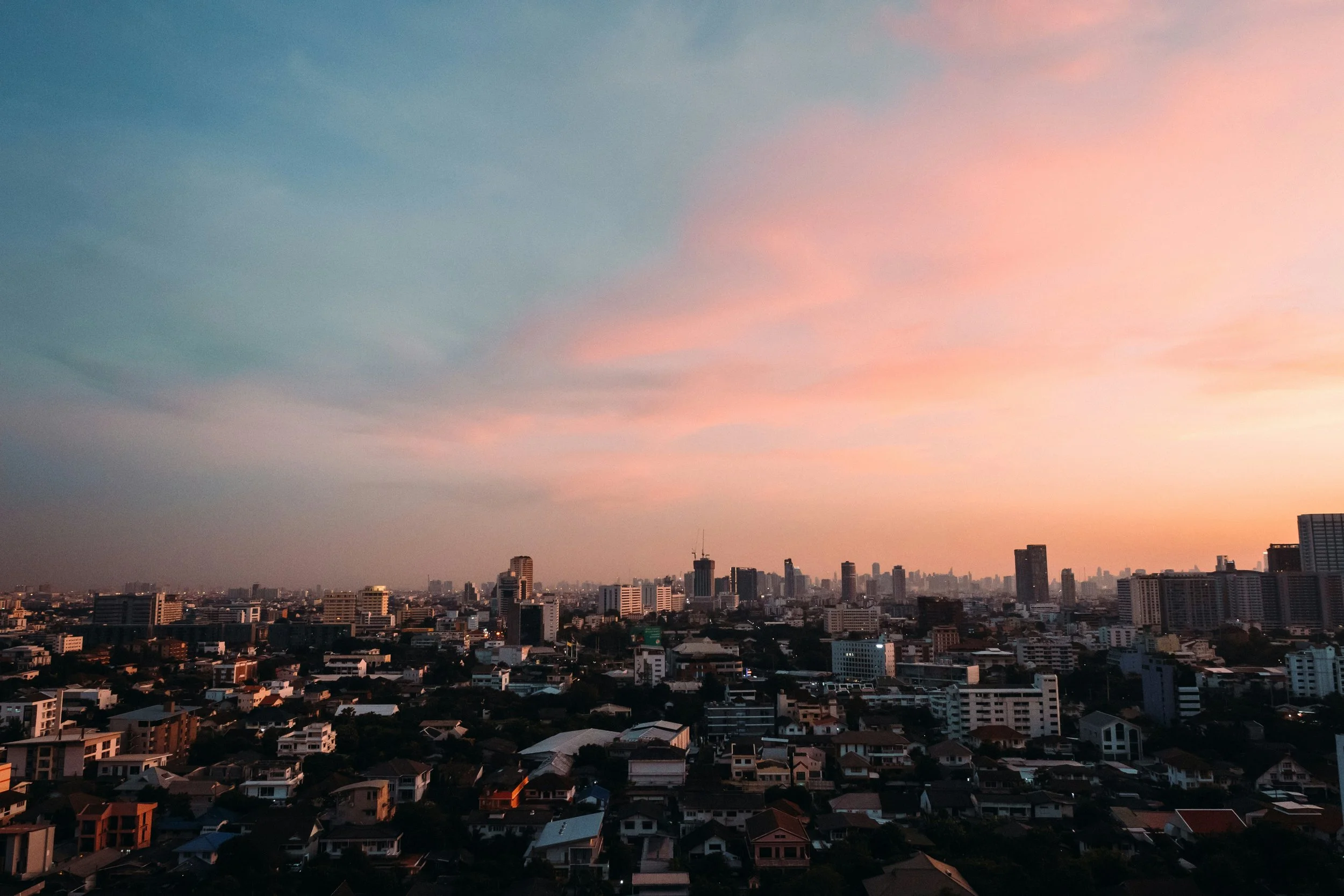
Photo by: Nat Weerawong via Unsplash
Famous for their diverse cuisines and lively café scenes, the dynamic metropolises of Bangkok and Tokyo are known for their own charm and vitality.
The energetic street food vendors in Bangkok create an ever-changing ambiance with their array of flavours, scents, and colours. The café culture in Tokyo, on the other hand, is a delicate synthesis of tradition, craftsmanship, and accuracy; each dish and drink is made with meticulous care. While these two cities showcase the finest worldwide cuisines, they couldn't be more different in terms of service, ambiance, and overall dining experience.
This piece will compare and contrast the cuisine cultures, café styles, customer service, eating etiquette, and general atmosphere of various cities. The hospitality of these cities' gastronomy is absolutely unforgettable, whether you're a connoisseur or just a regular guy who enjoys a good cup of coffee.
In This Article
Street food culture in Bangkok vs Tokyo
Traditional and modern food scenes compared
Accessibility, pricing, and everyday eating habits
Café culture and design aesthetics in both cities
Customer service and hospitality styles
Cultural dining etiquette and social norms
What these differences mean for visitors
Food Culture: A Comparison of Bangkok and Tokyo
Bangkok's Street Food Scene
One of the things that makes Bangkok tick is its street food culture. The delicious scents of savoury curries, delectable desserts, and grilled meats waft out into the busy streets the second you walk outside.
When you devour street food in Bangkok, you're getting a taste of the city's vibrancy, variety, and passion for flavor. The freshly made, flavorful food is available at any hour of the day or night thanks to the vendors who set up shop on almost every corner.
The stir-fried noodle dish Pad Thai, which is often served with crunchy peanuts and lime, and the spicy green papaya salad Som Tum, which is made with lime, fish sauce, and pepper, are two of the most famous street meals in Thailand. Another popular dish is satay, which is made with grilled pork skewers drizzled with a creamy peanut sauce.
The accessibility and low prices of Bangkok's street food sector are its greatest assets. No matter whether you're on the go or perched at a busy food market, these dishes are inexpensive, filling, and a glimpse into the country's culinary history.
Tokyo's Traditional and Modern Food Culture
Traditional and modern elements coexist in perfect harmony in Tokyo's culinary culture. The city is renowned for its world-class ramen and sushi restaurants, where the skill of the chefs shines through in every bite. The food in Tokyo is based on simplicity and the seasons.
Particularly true with sushi, which is more than just food—it's an art form in and of itself, with meticulous craftsmanship that showcases the fresh, premium ingredients that constitute the foundation of Japanese cuisine. Just like ramen, a popular comfort dish in Tokyo, the broth and noodles in ramen are prepared with an emphasis on taste depth.
Tokyo stands out due to its presentational focus and painstaking attention to detail. Not only do Japanese foods taste delicious, but each plate is an artistic work of art in its own right. In Tokyo, the quality of the food and the skill of the cooks are highly valued, whether you're in a fancy sushi restaurant or a mom-and-pop noodle store.
In addition, Tokyo's cuisine is constantly changing due to the city's openness to new influences; for example, a growing number of fusion restaurants combine global ingredients with traditional Japanese methods.
Comparing Food Cultures in Bangkok and Tokyo
Accessibility of food is the primary differentiator between the culinary traditions of Bangkok and Tokyo. The casual, on-the-go nature of Bangkok's street cuisine makes it ideal for a quick bite or a full-on gourmet expedition. Tokyo, on the other hand, has a more varied and eclectic culinary scene, with both fancy restaurants and more informal spots, many of which place a premium on exactness and formality.
Meals on Bangkok's street food scene often cost only a few dollars, making it an amazingly economical way to sample genuine Thai cuisine. The high standards of preparation and presentation at Tokyo's restaurants make them, on average, more costly; however, the city offers a wide variety of prices from cheap ramen spots to fancy sushi joints.
Lastly, both cities' cuisines are impacted by global cuisines. Bangkok's food incorporates flavours from China, India, and other places, while Tokyo's cuisine, particularly its contemporary dining scene, explores worldwide fusions. Every city showcases the many culinary traditions of the globe in its own unique manner.
Travel Toolkit
Bangkok works because of systems — transport, timing, payments, connectivity.
When you understand how those systems fit together, the city becomes easier to move through.
The Bangkok Unmapped Travel Toolkit outlines the practical tools we actually use to navigate daily life here.
→ View the Bangkok Travel Toolkit
Café Culture and Design: A Visual and Sensory Exploration
Café Aesthetics in Bangkok
The eclectic café culture of Bangkok reflects the city's dynamic character, which is a fusion of contemporary and traditional Thai elements. Whether you're looking for a secluded garden café or an industrial-style loft, Bangkok has you covered with its wide variety of cafés.
From wide, breezy cafes with simple furnishings to more rustic, tropical hideaways with hanging plants and wooden details, every café appears to exude its special vibe. The visually exciting café experience is enhanced by the combination of styles, which range from cosy hippie sensations to stylish contemporary.
Neutral colour palettes and modern furniture are examples of minimalist and modern design inspirations in Thai interiors. Traditional Thai features, such as bamboo furniture, hand-carved wood, and bright artwork that pays tribute to local culture, are also popular.
There has been a proliferation of design-conscious cafes, where the decor is given equal weight to the coffee on offer, thanks to the increasing popularity of cafés that are fit for Instagram. These locations are great photo ops for social media-savvy tourists because to their beautifully crafted décor, which includes neon signs and flower arrangements, combining beauty with substance.
Café Aesthetics in Tokyo
On the other hand, the café culture in Tokyo is renowned for its unique appeal and minimalist aesthetic. Cafés in Tokyo tend to emphasize efficiency, both in terms of the coffee's quality and the decor. The spaces are often on the smaller side, but the design is quite detailed and thoughtful, so it seems like someone put a lot of thought into it.
Tokyo cafés are known for their creative design, which allows visitors to immerse themselves in different atmospheres and tastes with each visit. Some cafés have antique décor, while others are themed, such as a cat café or a maid café.
The cultural value of workmanship is in harmony with Tokyo's design concept. Many cafes exude an air of tranquilly that is reminiscent of Zen Buddhism, thanks to the use of natural materials like wood, stone, and foliage. The attention to detail goes beyond just the furnishings; making coffee is an art form in and of itself.
Speciality coffee cafes are known for their meticulous brewing techniques, such as pour-over brewing, which adds to the café's charm. Lighting and layout are only two examples of how every aspect has been carefully considered to heighten the senses and encourage visitors to take their time enjoying themselves.
Comparing Café Cultures in Bangkok and Tokyo
Café lovers should expect two very different experiences in Bangkok and Tokyo, with the former being more laid-back, vibrant, and fun, and the latter being more calm and precise.
In Bangkok, the vibrant, diverse decor is great for social events or informal meetings since it creates an energising mood. In contrast, Tokyo is home to cafés that embrace minimalist design and understated elegance, creating an atmosphere perfect for sipping coffee and contemplation.
Both cities provide one-of-a-kind experiences via the aesthetics of cafés. The young, fashionable spirit of Bangkok is reflected in its design-forward, Instagrammable places, while the calm, understated interiors of Tokyo foster contemplation and an appreciation for the finer points of life.
Cafes in Bangkok and Tokyo provide more than simply coffee; they transport you on a visual trip that reflects the local culture.
Service and Hospitality: Customer Experience in Both Cities
Service in Bangkok’s Cafés and Restaurants
Thai service is known for its relaxed and welcoming attitude, much like the locals. Even in the restaurant and café sphere, the characteristically friendly and approachable Thai hospitality is well-known. Local servers are known for their warm hospitality, which is characterised by a laid-back vibe that puts customers at ease. In most places, the service is relaxed and friendly rather than stuffy and pompous, whether you're in a fashionable café or a bustling street food stand.
But inconsistent service quality, especially in tourist-heavy regions, is one of Bangkok's issues. For example, if you're placing an order from a street vendor in your area, you can have delayed response times or language barriers at certain cafés, while at others you might have excellent service.
The service at many more quiet cafés is less refined than what you'd get at a more upscale restaurant, despite their inherent appeal. Service at Bangkok's cafés is often kind and unassuming, but it isn't always flawless. This contributes to the city's charming and unique café culture.
Finding the sweet spot between a relaxed atmosphere and high-quality service is a mantra for many Bangkok cafés. Customers are often able to unwind and take it easy since staff are kind and courteous without being overbearing. One of the best things about Bangkok's café culture is the perfect harmony between service and ambiance; the city is perfect for unwinding without being rushed or pressured.
Service in Tokyo’s Cafés and Restaurants
Service in Tokyo, on the other hand, embodies the city's commitment to respect, efficiency, and decency. Everything you eat in a café or restaurant in Japan will be prepared with the utmost care and attention to detail, a practice known as omotenashi. The high level of attention you get begins the minute you walk through the door. Though more formal than in Bangkok, the service is never stuffy and always goes out of its way to make the visitors feel special.
There is a premium on promptness and reliability in Japanese service culture. Everything from restocking your tea before it runs out to delivering a polite nod of thanks as you take a seat is taken care of by the trained eyes of your server.
In Tokyo, food preparation is seen as an art form, and this reverence for craftsmanship is reflected in the meticulousness of the service provided to clients. Unspokenly, everyone knows that eating out should be a luxurious, ceremonial affair, and that the service is a key component to making it such.
The Japanese place a premium on cleanliness, orderliness, and creating a tranquil atmosphere in their restaurants and cafés, in addition to their attentive service. Even in the most bustling places, you can usually feel a little peace. This commitment to establishing a welcoming and considerate ambiance enhances the whole dining experience, solidifying service as a fundamental aspect of café culture in Tokyo.
Cultural Dining Etiquette: Social Norms and Dining Practices
The Thai culture places a premium on sharing food and eating as a group. No one eats before an elder, and the younger generation patiently waits for them to begin eating. A fork and spoon are the usual dining implements, with the former used to transfer food to the latter. The majority of noodle meals call for chopsticks.
It is expected that you would savor every bite of your food as a gesture of gratitude toward the chef and to prevent food waste. In Bangkok, tiny gratuities are welcomed but not expected; the tradition of tipping is relaxed. As a reflection of the city's fast-paced, round-the-clock culinary culture, dining hours are flexible, and street food is accessible at all hours.
Formality and respect, especially for one's seniors, are the cornerstones of Tokyo dinner etiquette. Never use chopsticks to move food between diners or put them upright in rice; these are practices linked with funeral rites.
Tipping is frowned upon in Japan and is regarded as impolite; instead, service is seen as integral to the experience, with an emphasis on quality and attention. Both the food and the service are highly regarded as works of art in Tokyo, where eating is considered a form of artistry.
Final Thoughts: A Tale of Two Culinary Worlds
Bangkok and Tokyo each have their own unique cuisines. In contrast to Tokyo's meticulous, seasonally-focused, and refined cuisine, Bangkok's street food scene is lively, fast-paced, and flavorful.
Cafés in Bangkok and Tokyo have quite different styles, with the former featuring more vibrant, picturesque interiors and the latter more subdued, serene decor. Tokyo is renowned for its careful, courteous hospitality, in contrast to Bangkok's warm and spontaneous service.
For tourists, these differences mean something very different. The vibrant alleys of Bangkok and the serene elegance of Tokyo both provide amazing gastronomic excursions, perfect for those wanting a little bit of everything.