Bangkok vs Manila: A Tale of Two Capitals
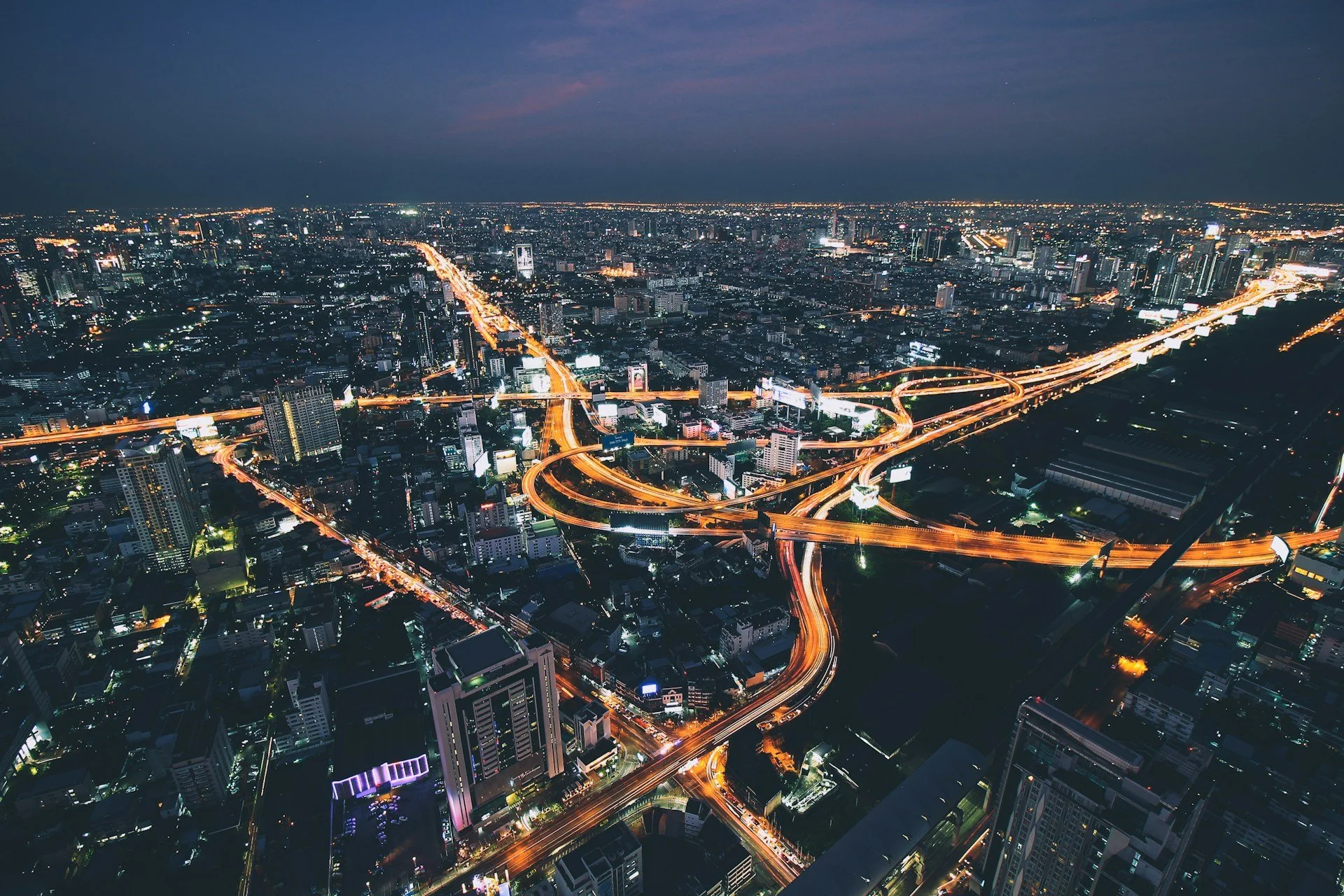
Photo by: Florian Wehde via Unsplash
Let's embark on a journey to uncover the diverse charms and unique experiences offered by these two vibrant and bustling Asian metropolises: Manila and Bangkok. From Manila's rich historical tapestry and dynamic cultural scene to Bangkok's bustling street markets and ornate temples, each city offers a captivating blend of tradition and modernity. Join us as we delve into the culinary delights, architectural wonders, and vibrant urban lifestyles that define Manila and Bangkok, providing insights and recommendations for travelers seeking to immerse themselves in the heart and soul of these captivating destinations.
In This Article
How Bangkok and Manila differ in history, culture, and daily life
What and how people actually eat in each city
Green spaces, outdoor escapes, and city breathing room
Getting around: transport, congestion, and walkability
Nightlife, shopping, and social energy
What it’s like to visit, stay longer, or live in each city
Heritage and Culture
Travelers may experience a fascinating journey through time in Bangkok and Manila, both dynamic cities with rich histories and cultures.
Bangkok, dubbed the "City of Angels," has a rich tapestry of historical treasures that represent its regal heritage and spiritual riches. The beautiful Grand Palace, crowned with elaborate golden spires, exemplifies Thailand's monarchy, while the famed Wat Arun temple, with its tall spire delicately covered with porcelain mosaics, represents Thai Buddhism's undying spirit.
On the other hand, the city of Manila, which is often called the "Pearl of the Orient," is still indelibly marked by Spanish colonial power, as seen in its historical buildings and cultural customs. The walled city of Intramuros, with its ancient defenses and cobblestone alleyways that take tourists back in time, serves as a moving reminder of the city's historical heritage. With monuments and museums honoring the nation's battle for independence, Rizal Park—named for national hero José Rizal—serves as a hub for Filipino nationalism and patriotism.
These metropolitan areas' cultural foundations are heavily influenced by their historical roots, which affect everything from social standards and beliefs to architecture and cuisine. Bangkok's daily life is infused with royal traditions and a great respect for Buddhism, while Manila's diverse cultural tapestry is uniquely Filipino, thanks to a mix of Spanish, American, and indigenous influences. Both cities encourage tourists to learn about their histories and celebrate the diversity of their cultures, while remaining livable reminders of their vibrant past.
Gastronomy and Dining
Gastronomic wonders await in Bangkok and Manila, both of which offer a delectable array of flavors and gastronomic delights.
Bangkok's colorful markets, such as Chatuchak, provide a kaleidoscope of sensations, from spicy curries to delectable stir-fries, making the city's busy streets a sensory feast. This is a city where the street food scene is thriving, with mouthwatering delicacies like pad Thai, green curry, and tom yum goong tempting diners at every turn. Thai food is elevated to new heights by famed establishments like Nahm and Gaggan, which combine traditional tastes with cutting-edge culinary practices.
On the other hand, Manila's gourmet scene reflects the city's diverse cultural heritage through a harmonious blend of influences. Manila's culinary culture is a fusion of flavors, from Chinese delicacies like dim sum and pancit to Spanish-inspired dishes like lechon and adobo. Street vendors in Binondo and Quiapo serve street cuisine mainstays like sisig (sizzling pork) and balut (duck embryo). Locavore and Toyo Eatery are examples of contemporary restaurants that illustrate the evolution of Filipino cuisine. They mix traditional flavors with a modern form.
Both cities value culinary creativity, with Manila providing a wide range of tastes inspired by its ethnic background and Bangkok setting the standard for street food culture and traditional Thai cuisine.
Natural Wonders and The Outdoors
Despite being bustling metropolitan areas, Bangkok and Manila offer plenty of outdoor escapes and natural sanctuaries.
Amidst its sprawling metropolitan area, Bangkok astonishes tourists with verdant natural places. A peaceful haven in the middle of the city, Lumpini Park provides outdoor fitness classes, paddle boats, and running pathways for those seeking a break from the bustle. In addition, boat trips along the city's rivers and canals provide a unique viewpoint of Bangkok's cityscape and historic waterfront communities.
Manila, meantime, is home to a number of outdoor leisure spots and natural beauties. In addition to being a historical site, Rizal Park, commonly referred to as Luneta, is a large green area with gardens, monuments, and outdoor spectacles. Both residents and visitors are drawn to the neighboring Manila Baywalk because it provides breathtaking views of the sunset over the water.
Both Bangkok and Manila benefit from their scenic surroundings, which add to their overall appeal and attraction while being in metropolitan areas. In the middle of the urban jungle, these cities provide possibilities for outdoor adventure that let tourists re-establish a connection with nature via lush parks and gardens, and picturesque panoramas.
Urban Lifestyle and Transportation
Bangkok and Manila have distinct metropolitan infrastructures and lifestyles.
Towering buildings and architectural wonders like the renowned Baiyoke Tower II and the innovative Mahanakhon Tower, which provide sweeping vistas of the metropolis, are scattered across Bangkok's contemporary skyline. The city's well-functioning public transit system, which includes the MRT subway and BTS Skytrain, makes it simple for visitors to navigate, and other transportation options like tuk-tuks and river taxis are available. Nevertheless, Bangkok's rapid urbanization has resulted in traffic jams and congestion, particularly during rush hours.
On the other hand, the urban landscape of Manila blends new construction with architecture from the colonial period. With its old defenses and Spanish colonial architecture, Intramuros is a reminder of the city's colorful history. Skyscrapers that provide stunning views of Manila Bay, such as the PBCOM Tower and the Gramercy Residences, dominate the skyline. On the other hand, traffic congestion is a typical problem with Manila's transportation system. Even with Manila's vast bus, jeepney, and taxi network, getting about the city's streets may be challenging for travelers.
Both cities have distinct skyline vistas and architectural features that add to their metropolitan allure. Both towns provide visitors with an immersive urban experience full of history, culture, and architectural marvels despite infrastructural issues.
Travel Toolkit
Bangkok works because of systems — transport, timing, payments, connectivity.
When you understand how those systems fit together, the city becomes easier to move through.
The Bangkok Unmapped Travel Toolkit outlines the practical tools we actually use to navigate daily life here.
→ View the Bangkok Travel Toolkit
Shopping Opportunities
Bangkok and Manila provide bustling, diverse shopping and souvenir-hunting adventures for every taste and budget.
One of the world's biggest markets, Chatuchak Weekend Market in Bangkok, is a busy place where tourists may find handicrafts, home décor, apparel, and accessories. In addition to offering a distinct cultural experience, floating markets like Damnoen Saduak provide extra shopping opportunities, as do the colorful street vendors of Khao San Road and the chic stores of Siam Square. In a high-end mall such as MBK Center or a neighborhood market, bargain seekers will relish the chance to haggle for the best prices.
Manila, on the other hand, has an abundance of marketplaces and retail areas that serve both residents and visitors. Divisoria, renowned for its massive savings, is a treasure trove for anyone seeking to find good prices on apparel, accessories, and mementos. While posh shopping centers like SM Mall of Asia and Greenbelt serve wealthier consumers, Greenhills Shopping Center provides a broad selection of items, from jewelry to electronics. In addition, visitors may peruse artisanal markets and stores like Quiapo and Dapitan Arcade, where they can discover one-of-a-kind artwork, crafts, and locally produced goods that are ideal as presents or souvenirs.
Entertainment and Nightlife
Bangkok and Manila's nightlife, entertainment, and art spheres are dynamic and fresh, offering travelers a diverse selection of experiences.
Bangkok's lively art scene is on display in venues like the Bangkok National Gallery and the Bangkok Art and Culture Centre, which host exhibitions of contemporary and traditional artwork by national and international artists. A variety of live performances, including theatrical plays, dance shows, and concerts, are offered at the city's theaters, particularly the Thailand Cultural Centre and the Bangkok Playhouse.
Manila, on the other hand, has a rich cultural history. Theaters like the Cultural Center of the Philippines regularly present a wide range of performances, from contemporary theater to traditional Filipino dance. Displaying the nation's cultural past is accomplished via collections and displays at art galleries like the Ayala Museum and the Metropolitan Museum of Manila.
The two cities provide a different selection of bars, clubs, and entertainment venues when it comes to nightlife. Bangkok is well known for its vibrant nightlife, with a wide range of bars, clubs, and live music venues to be found along bustling thoroughfares like Khao San Road and vibrant areas like Thonglor and Silom. Similar to this, Manila has a thriving and wide-ranging nighttime culture. Famous locations like Poblacion in Makati and The Fort Strip in Bonifacio Global City entice tourists as well as locals with their lively ambiances and wide range of offerings.
Communities
The distinctive communities and neighborhoods of Bangkok and Manila are deeply entwined with the essence of local life. Bangkok and Manila, in spite of their differences, have vibrant communities that embody the goodwill, hospitality, and resilience of their people.
Bangkok's neighborhoods provide a fascinating window into Thai culture and daily life. Every district, from the historic charm of Old Town to the vibrant marketplaces of Chinatown and the modern opulence of Sukhumvit, has its own distinct character and traditions. With a strong foundation in Thai culture and spirituality, residents often gather in public spaces like parks and temples to socialize, carry out customs, and enjoy holidays like Songkran (Thai New Year) and Loy Krathong (Festival of Lights).
Similarly, Manila's communities are a fusion of cultures and customs, reflecting the city's diverse background. Residents in areas such as Binondo, the world's oldest Chinatown, and Quiapo, home to the renowned Black Nazarene, retain generations-old traditions and rituals. Community activities like fiestas, parades, and religious processions are an important part of Manila's social fabric, drawing people from various walks of life together to honor their common heritage.
Eco-friendliness
Both Bangkok and Manila are promoting ecologically friendly practices and striving for sustainability, but they are not without challenges.
Programs like the Bangkok Green Lung initiative, which aims to preserve green spaces inside the city by creating urban parks and promoting eco-tourism activities like bicycle rides along the Chao Phraya River, are examples of Bangkok's dedication to sustainability. The BTS Skytrain and the MRT subway are two of the city's public transit options that reduce carbon emissions and traffic, allowing tourists to have an environmentally friendly experience.
Manila, on the other hand, has serious environmental problems, including waste management and pollution of both air and water. With initiatives like the Manila Bay Rehabilitation Program, which aims to purify the bay and restore its ecological balance, the city is, however, moving toward sustainability. Manila also has green spaces like La Mesa Eco Park and Rizal Park, which serve as urban havens where locals and visitors may re-establish a connection with the natural world.
The Tourist Experience
Bangkok, being the popular travel destination that it is, offers a variety of lodging options, from luxurious hotels to affordable hostels, with many establishments offering excellent amenities and customer care. The city has a robust tourism infrastructure, and visitors may easily explore the city thanks to effective public transportation options including the MRT subway and BTS Skytrain. Accessible tourist-friendly facilities, including information desks and guided tours, provide tourists hoping to explore Bangkok's attractions with essential direction and insights.
Similarly, Manila welcomes travelers with a wide range of lodging alternatives to suit all price ranges and taste. Travelers may choose lodgings that match their preferences, including boutique hotels in popular areas and worldwide hotel brands in the city center. While Manila's public transit system may be less comprehensive than Bangkok's, taxis, ride-hailing services, and jeepneys make getting about pretty simple. Tourist-friendly features include visitor centers and guided tours, which provide vital advice and ideas to visitors wishing to make the most of their stay.
Digital Nomad Life and Expat Living
Bangkok and Manila both have large expat and digital nomad populations that appeal to remote workers and long-term residents due to their low costs, cultural bounty, and exciting lifestyles. However, the two cities have distinct benefits for people wishing to live or work remotely.
Bangkok is a popular spot for digital nomads, owing to its well-developed infrastructure, fast internet, and a plethora of coworking spaces. Sukhumvit, Silom, and Ari are popular among foreigners because of their modern facilities, international dining establishments, and bustling social life. The city also has great public transportation, including the BTS Skytrain and the MRT subway for easy commuting. Thailand also has long-term visa choices, such as the Smart Visa for professionals and the Elite Visa for high-net-worth folks, making it a popular choice for those considering extended visits.
Manila, while not as well-known as Bangkok in the digital nomad scene, has a blossoming expat community, mostly in Makati and Bonifacio Global City (BGC). These regions are home to sophisticated coworking spaces, luxurious residences, and a thriving nightlife. Internet speeds in Manila might vary, but prime locations provide constant connections. While visas are available for extended periods, they may require more frequent renewals than in Thailand.
Overall, Bangkok is the better-equipped option for digital nomads, while Manila offers a more specialized experience thanks to established expat networks in specific locations.
Final Thoughts
Both Bangkok and Manila provide tourists with an engaging and fascinating experience packed in history, culture, and different attractions. Bangkok has a dynamic cultural scene, busy markets, and efficient public transit, but Manila stands out for its colonial history, diverse districts, and generous welcome. Both cities offer distinct chances for exploration, ranging from street food tasting to historical monument investigation.
To make the most of their visit to both cities, tourists should plan ahead of time, look into attractions and lodgings, and consider buying city tickets or tour packages to simplify their schedule. Furthermore, interacting with people and immersing oneself in the society and cuisine of each location may improve the entire visiting experience and generate lasting memories.