Why Is the Air So Bad in Bangkok?
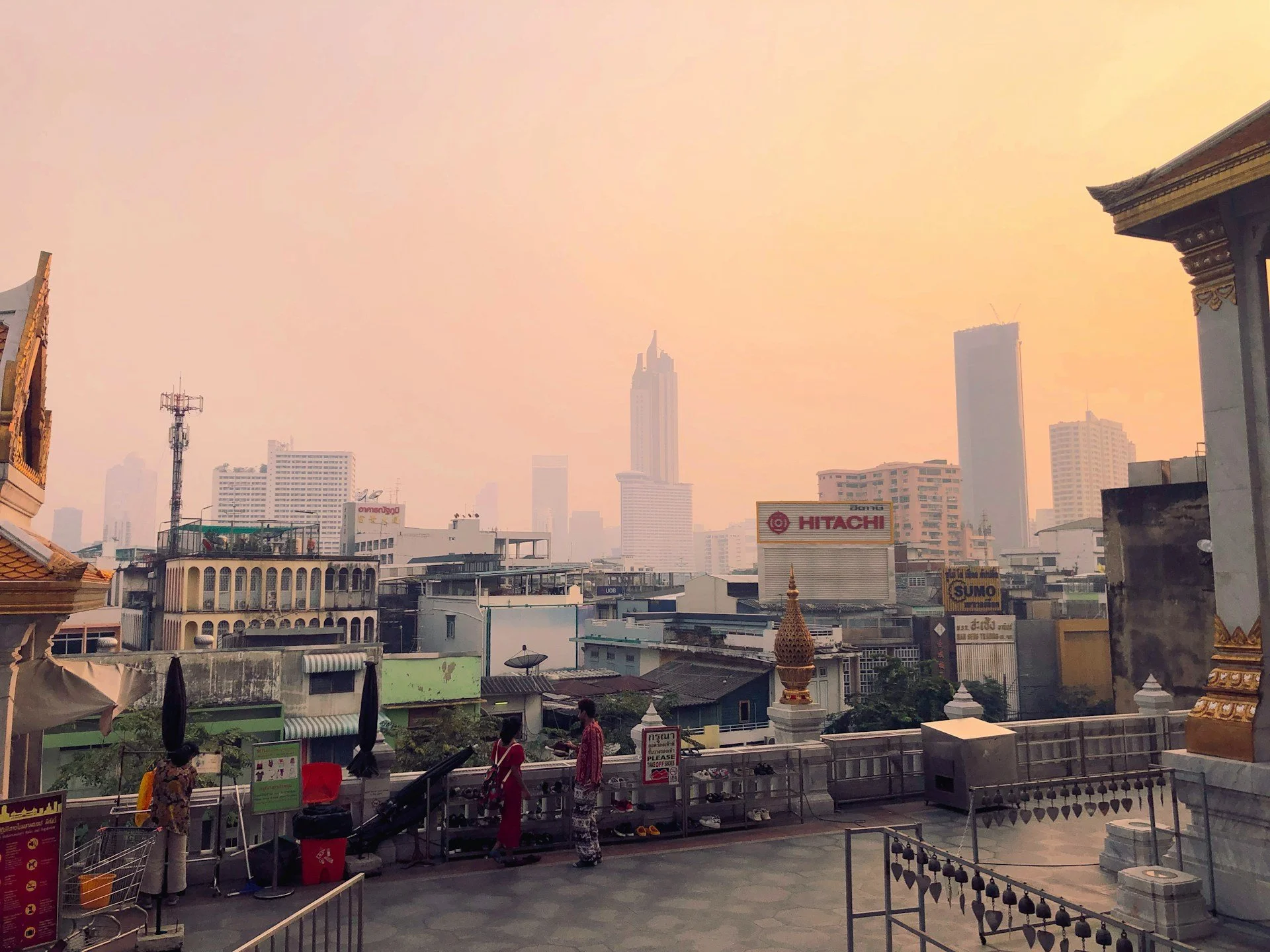
Photo by: Stijn de Vries
Despite Bangkok's vivacity, air pollution is becoming an increasingly serious issue. Whenever the air pollution index exceeds what is considered acceptable, some folks are either compelled to remain inside or must use protection masks. Traffic jams, pollution from factories, and burning crops at certain times of year are just a few of the many causes of this problem.
The air pollution in Bangkok impacts almost every aspect of daily life. When air quality is bad, people have trouble breathing, experience eye discomfort, and develop chronic ailments including lung cancer and heart issues. Tourist spending, which accounts for a significant portion of Thailand's GDP, falls as well, as people seek other greener places to vacation. On days with severe pollution, even going for a jog in the park or commuting to work might be harmful.
Why is the air pollution in Bangkok so bad? We'll look at the key reasons in this piece. The negative impacts on people's well-being, the economy, and the natural world will also be covered. Finally, it will examine current efforts, both official and citizen, to combat air pollution, as well as areas where further action is required. We can safeguard ourselves and strive for a cleaner, healthier Bangkok if we have a better grasp of the issue.
In this article
What’s actually causing Bangkok’s air pollution
The main pollutants and how they affect daily life
Why certain seasons are significantly worse than others
How air pollution impacts health, tourism, and the environment
What the government and citizens are doing to reduce the problem
Practical ways to protect yourself during high-pollution days
Understanding Bangkok’s Air Pollution Problem
Air pollution is a major ecological problem that impacts a large number of people around the globe. Particulate matter and toxic chemicals are the main culprits behind Bangkok's unhealthy air.
Inhalable particulate matter (PM2.5 and PM10), nitrogen dioxide (NO2) from cars, carbon monoxide (CO) from fuel combustion, and sulfur dioxide (SO2) from factories are the most harmful pollutants. Severe respiratory illnesses, cardiovascular issues, and shortened life expectancy are all possible outcomes of exposure to these contaminants.
Bangkok uses data from the Air Quality Index (AQI), which takes readings of air pollution in real-time, to monitor pollution levels. Official websites and mobile applications disseminate data collected by citywide government monitoring stations. The Pollution Control Department (PCD) website, AirVisual, and IQAir are some of the platforms that locals may use to monitor the air quality every day. A lot of people use them to figure out whether they can walk outdoors unprotected or if they need to use air purifiers or masks.
Air pollution is a concern in Bangkok, although it isn't as bad as in Delhi or Beijing, two other very polluted cities. The pollution levels in Bangkok, however, are consistently higher than the safety standards set by the World Health Organization (WHO), especially around the dry season.
Although Beijing has taken strong measures to enhance air quality, and Delhi has to deal with thick haze caused by crop burning, pollution is still a problem in Bangkok due to a combination of factors. Finding successful solutions requires an understanding of these elements.
Major Causes of Air Pollution in Bangkok
There are a lot of places in and around Bangkok that contribute to the city's air pollution. In order to discover effective remedies, it is essential to understand these factors. The bad air quality in the city is caused by these main factors.
Vehicle Emissions
One of the major causes of air pollution in Bangkok is the city's excessive traffic. Thousands of vehicles, including cars, motorbikes, buses, and trucks, may be caught in traffic jams for hours on end on urban routes. Older engines in many of these cars are a major contributor to air pollution.
Motorbikes and automobiles that are a few years old contribute significantly to air pollution and health problems by emitting nitrogen oxides (NOx), particulate matter (PM2.5 and PM10), and carbon monoxide (CO). Even newer cars pollute the air when they sit in traffic for a while and let off engine fumes.
One of the biggest issues is diesel vehicles, particularly buses and trucks. Diesel engines release loads of black carbon and fine particulate matter (PM2.5), both of which may irritate the lungs. This amplifies the negative effects of air pollution in Bangkok.
There are still a lot of older diesel buses and trucks out there, and they're a major source of pollution. The government has tried to encourage better fuel standards and electric cars (EVs) via various programs, but so far, it is still unfelt.
Industrial Pollution
A large portion of the air pollution in Bangkok comes from the city's industrial zones. Particulate matter 2.5 and 10 and carbon monoxide (CO) and sulfur dioxide (SO2) are two of the many air pollutants emitted by factories and other industrial facilities.
Pollutants like these are byproducts of processes like chemical processing, waste incineration, and burning fossil fuels. Smog and haze are prevalent issues in regions with a large concentration of enterprises, such as the Bangpoo Industrial Estate and Samut Prakan.
Outdated technology and inadequate pollution control techniques are still in use by many firms. Not all businesses have adequate filtering systems in place, and some use poor-quality fuels, which results in more dangerous pollutants.
Construction and Urban Development
Construction projects are constantly popping up all throughout Bangkok as a result of the city's fast expansion. Construction projects, whether they include new roads, railway lines, or skyscrapers, produce substantial quantities of dust and particulate matter (PM2.5 and PM10 in particular).
Heavy equipment creates dust that stays in the air, and construction sites often expose soil. These particles exacerbate poor air quality, particularly in heavily populated regions, when appropriate dust management measures are not implemented.
The pollution problem has also worsened due to unchecked urbanization. Reduced natural air filtering is a result of the urbanization trend of replacing green places with concrete.
Developments often worsen pollution levels due to increased industrial activity and transportation congestion brought on by a lack of adequate environmental planning. Air pollution in Bangkok will worsen unless the city's rapid growth is accompanied by environmentally friendly policies.
Agricultural Burning
Seasonal crop burning in Thailand and surrounding nations exacerbates Bangkok's air pollution every year. Burning rice stubble and other agricultural trash is a fast and inexpensive way for farmers to clean fields.
Numerous dangerous air pollutants, including PM2.5 and carbon monoxide (CO), are released into the atmosphere by this method. These pollutants build up and produce heavy smog over the city during the dry season when winds are weaker.
The transboundary smog that originates in Cambodia, Laos, and Myanmar also reaches Bangkok. There is an increase in pollution due to the drifting smoke from massive agricultural burns in these nations. It is not uncommon for these fires to go unattended since they occur in remote rural regions far from big towns.
The air quality in Bangkok is already poor due to local pollution sources, and crop burning adds to the problem. Until there are more sustainable agricultural practices, this problem may persist and worsen the city's air pollution.
Climate and Weather Conditions
Pollutants in Bangkok are held in the city due to its topography and the way the weather changes throughout the year. Because of its basin layout and mountainous surroundings, the city has constrained air circulation and so has a harder time dispersing pollutants.
Pollutants remain in the air due to weak airflow and high temperatures, resulting in a prolonged haze, throughout the dry season. While rain can help to temporarily purify the air, powerful storms may also add to pollution by kicking up dust from highways and construction sites. Bangkok is particularly susceptible to extended periods of poor air quality due to these weather and climatic circumstances.
Effects of Air Pollution on Bangkok’s Residents
Air pollution in Bangkok is becoming an increasingly pressing problem for the city's inhabitants, companies, and future generations due to the negative impact it has on people's health, the economy, and the environment.
Health Dangers
There are short-term and long-term effects of breathing Bangkok's unclean air. Nitrogen dioxide (NO2), carbon monoxide (CO), and particulate matter (PM2.5 and PM10) may cause short-term irritation of the eyes, throat, and lungs as well as coughing and trouble breathing. When pollution levels are high, many locals find that their asthma and allergies become much worse. Street sellers and motorcyclists, who spend much of their days outside, are especially at risk.
Even more detrimental is prolonged exposure to polluted air. The risk of developing chronic lung disorders, cardiovascular disease, stroke, and cancer is increased when fine particulate matter enters the circulatory system and travels deep into the lungs. Exposure to dirty air over an extended period shortens life expectancy and increases the risk of mortality, according to research. Childhood lung development is stunted and the prevalence of respiratory illnesses is greater in areas with poor air quality.
Economic Consequences
Healthcare expenditures rise and economic output falls as a result of Bangkok's air pollution, which has substantial financial implications. A growing number of people are seeking medical attention at hospitals and clinics due to pollution-related disorders, including respiratory diseases, heart issues, and others.
Doctor visits, prescriptions, and long-term therapies all add up to increased medical bills for families. When workers take more sick days, it reduces production and efficiency, which costs businesses money.
A large portion of Bangkok's economy—tourism—is also impacted. The city's hazy sky and potential health hazards may cause visitors to choose less polluted locations rather than go there.
Hotels, restaurants, and tour operators see a drop in income as a result of increased pollution since outdoor attractions become less appealing. There could be long-term consequences for Bangkok's economy if air quality doesn't improve.
Environmental Impact
The city's ecosystem suffers and global warming is accelerated due to Bangkok's air pollution. Trees are less able to develop and absorb carbon dioxide when exposed to toxic pollutants such as ozone (O3) and sulfur dioxide (SO2). Plants in Bangkok's parks and along roadsides are having a hard time surviving in the city's increasingly impure air.
Pollutants like black carbon and greenhouse gases also add to the problem of harsh weather by trapping heat. Environmental degradation and climate-related problems will only become worse in Bangkok if pollution is not reduced.
What Is Being Done to Tackle Air Pollution in Bangkok?
The persistent air pollution in Bangkok is a major concern, however, there are continuous initiatives aimed at improving the city's air quality and ensuring a healthy future for its residents.
Government Measures
There have been many initiatives by the Thai government to reduce pollution levels in Bangkok's air. Stricter vehicle pollution regulations, including those that encourage electric cars (EVs) and enhance fuel standards, are an important first step. In addition, there are initiatives afoot to decrease the toxic exhaust emissions produced by older, more polluting diesel automobiles.
Authorities have increased air quality monitoring by placing more sensors across the city to better measure pollution levels. In response to increasing pollution levels, these stations provide real-time data that policymakers and communities may use.
The main source of seasonal haze, agricultural burning, is the focus of another large-scale effort. Campaigns against burning have been initiated by the government, which is encouraging farmers to use less harmful methods. In addition to reducing cross-border haze that affects Bangkok's air quality, stricter legal penalties are being implemented to prevent illicit crop burning.
Technological and Urban Solutions
Bangkok is investing in advanced air quality solutions. The development of more environmentally friendly public transportation options, such as better MRT/BTS connections and electric buses (EV buses), is a crucial first step. The city's goal is to reduce traffic and automobile emissions by providing more efficient and environmentally friendly transportation choices.
Pollution management and monitoring are also being addressed via smart city programs. The use of air quality monitors, traffic management systems powered by artificial intelligence, and pollution forecasting systems allows authorities to react more effectively to increasing levels of pollution.
Bangkok is implementing more urban tree-planting programs and green areas to combat pollution. An increase in green spaces, such as parks, trees along roadsides, and rooftop gardens, may mitigate urban heat by absorbing carbon dioxide and filtering out dangerous pollutants.
Public Awareness and Community Actions
The people of Bangkok are doing their part to reduce air pollution. Carpooling, trash reduction, and the increased use of bicycles and public transportation are just a few examples of the eco-friendly practices that many individuals are embracing. To enhance air quality, some cities are also making an effort to plant trees and create green areas.
Businesses and educational institutions are working together to promote sustainability by raising awareness about the effects of pollution and fostering more environmentally friendly behaviors, such as recycling and energy efficiency. Businesses are also doing their own to help the environment by taking measures like switching to renewable energy and cutting down on industrial emissions.
Practical Tips for Protecting Yourself from Bangkok’s Air Pollution
Get a feel for the air quality with the AQI before you go outdoors. Put on an N95 or KN95 mask to shield yourself from microscopic particles. Indoor air purifiers may reduce exposure to dangerous contaminants and make the air you breathe much safer.
Avoid very populated places and use less polluting routes on a regular basis. Indoor plants, such as peace lilies and snake plants, have the ability to filter the air inside. Make sure you don't exercise outside during the morning or late afternoon when pollution levels are highest.
Vote for politicians who make environmental protection a top priority to help change government policy and make the air we breathe better. Take part in environmental organizations to bring attention to the issue, advocate for more stringent rules on air quality, and promote sustainable activities.
Travel Toolkit
Bangkok works because of systems — transport, timing, payments, connectivity.
When you understand how those systems fit together, the city becomes easier to move through.
The Bangkok Unmapped Travel Toolkit outlines the practical tools we actually use to navigate daily life here.
→ View the Bangkok Travel Toolkit
Final Thoughts
Even though air pollution is a major problem in Bangkok, things are looking better. There is room for development if the government, businesses, and people all pitch in. It is possible to create a healthier city with more stringent rules, cleaner transportation, and more environmentally friendly public areas. Real change, however, will only come about when everyone pitches in, from lawmakers demanding better solutions to regular people making environmentally conscious choices. The air pollution problems in Bangkok can be solved and everyone's future can be better if everyone steps in.