Bangkok vs Kuala Lumpur: Between the Two of Urban Wonders
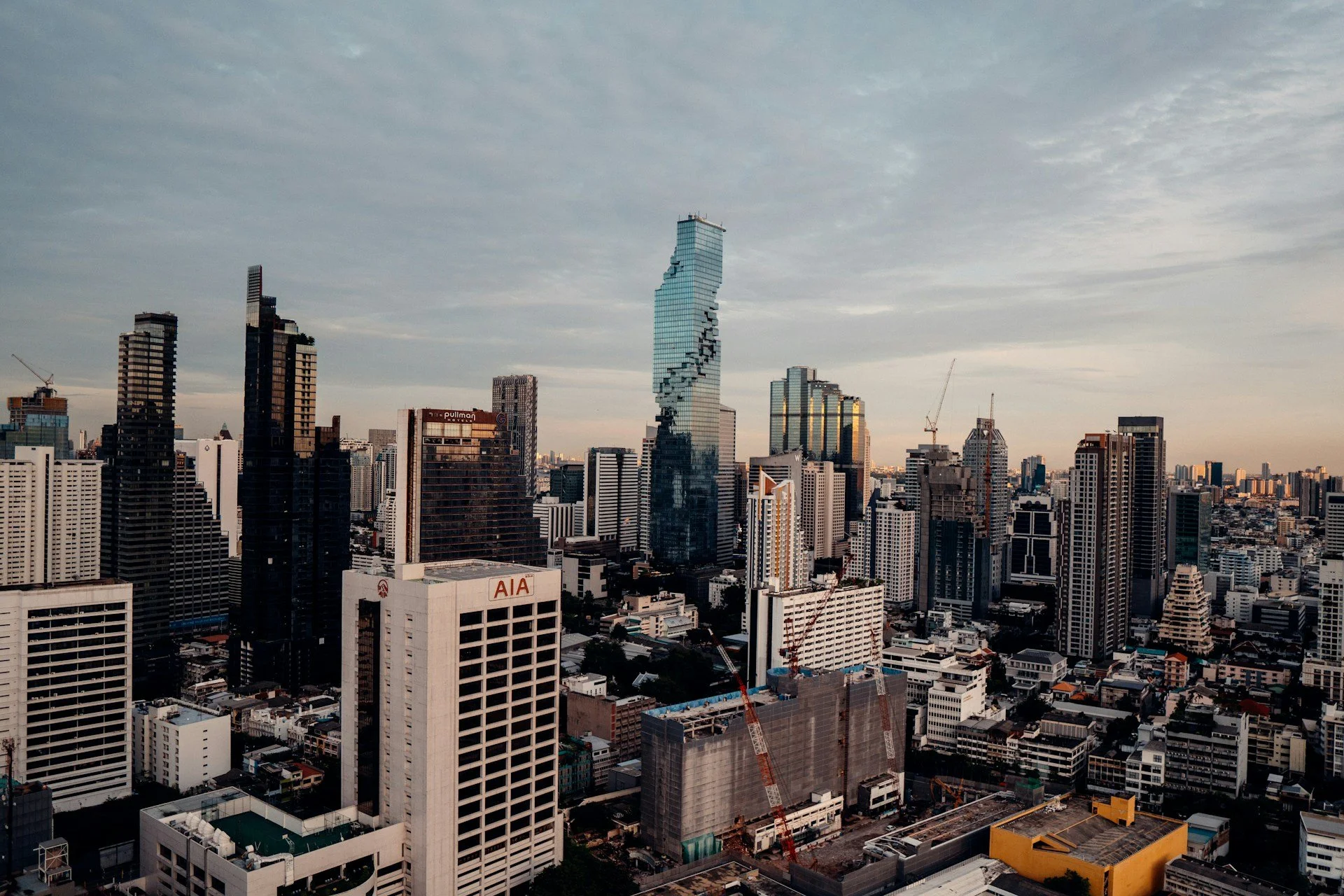
Photo by: Simon PALLARD via Unsplash
Bangkok and Kuala Lumpur are two jewels of Southeast Asia.
Both are bustling metropolises.
Both offer modern amenities.
Both are shaped by diverse cultures.
Yet the experience of living in or visiting each city feels very different.
Kuala Lumpur fascinates with tall buildings, diverse cuisine, and generous green spaces.
Bangkok draws people in with historic temples, busy markets, and relentless street life.
This guide breaks down how the two cities actually compare, beyond the highlights.
In this article
How Bangkok and Kuala Lumpur differ in culture and daily experience
Key attractions that define each city
Food, nightlife, and entertainment compared
Family-friendly activities and lifestyle differences
Transportation, walkability, and getting around
Cost of living, accommodation, and overall value
Sustainability, safety, and long-term livability
Cultural Attractions
Bangkok, often called the City of Angels, is deeply shaped by history and religion.
Grand palaces and temples dominate the urban landscape.
The Grand Palace reflects Thailand’s royal heritage.
Wat Arun, the Temple of Dawn, stands out with its towering spires and intricate detail.
These sites are not just tourist attractions.
They remain part of daily cultural life.
Kuala Lumpur reflects a different story.
Its identity is shaped by Malay, Chinese, Indian, and colonial influences.
The Batu Caves rise dramatically from limestone cliffs and serve as an important Hindu site.
The Sultan Abdul Samad Building represents Malaysia’s colonial past and independence.
The contrast is clear.
Bangkok leans ancient and spiritual.
Kuala Lumpur leans multicultural and modern.
Natural Beauty
Bangkok is dense and energetic.
Yet pockets of calm exist.
Lumpini Park sits inside the city’s sprawl, offering lakes, walking paths, and shaded green space.
Locals jog, stretch, and escape traffic noise here.
It’s a pause button inside the chaos.
Kuala Lumpur integrates greenery more openly.
The Lake Gardens feature wide lawns, landscaped paths, and water features.
KL Bird Park, located nearby, allows visitors to walk among thousands of birds in a free-flight environment.
Bangkok hides its nature.
Kuala Lumpur builds around it.
Food and Dining
Both cities are food capitals.
Bangkok is defined by street food.
Chinatown, Chatuchak, and countless side streets offer everything from tom yum and pad Thai to grilled meats and tropical desserts.
Meals are fast, cheap, and everywhere.
Eating is woven into the street rhythm.
Kuala Lumpur’s food scene is shaped by fusion.
Malay, Chinese, and Indian cuisines intersect daily.
Nasi lemak and roti canai are staples.
Hawker centers sit beside modern cafés and upscale dining rooms.
Bangkok feels raw and immediate.
Kuala Lumpur feels layered and diverse.
Nightlife and Entertainment
Bangkok is loud at night.
Silom and Sukhumvit are filled with rooftop bars, clubs, and late-night venues.
Khao San Road glows with neon and noise.
The city rarely sleeps.
Kuala Lumpur comes alive more selectively.
Bukit Bintang and Changkat Bukit Bintang host bars, live music, and clubs.
Rooftop venues overlook the skyline.
The nightlife feels more contained and curated.
Both cities deliver energy.
Bangkok overwhelms.
Kuala Lumpur balances.
Family-Friendly Attractions
Bangkok offers large-scale attractions.
SEA LIFE Bangkok Ocean World introduces families to marine life through tunnels and interactive exhibits.
Safari World and Marine Park allow close encounters with wildlife.
Kuala Lumpur focuses on educational experiences.
KL Bird Park features over 3,000 birds in open environments.
Petrosains, inside the Petronas Towers, offers hands-on science exhibits for children.
Bangkok goes big.
Kuala Lumpur goes interactive.
Shopping Experiences
Bangkok is built for bargain hunting.
Chatuchak Weekend Market is one of the largest in the world.
Pratunam and Siam Square overflow with clothing, souvenirs, and street stalls.
Negotiation is part of the experience.
Kuala Lumpur leans mall-centric.
Pavilion KL and Suria KLCC host international brands and luxury boutiques.
Street markets still exist, but malls dominate.
Bangkok feels chaotic and tactile.
Kuala Lumpur feels polished and controlled.
Transportation
Bangkok’s transport system is extensive.
BTS Skytrain and MRT connect major areas efficiently.
Tuk-tuks and taxis fill in the gaps — sometimes unpredictably.
Kuala Lumpur’s public transport is modern and orderly.
LRT, MRT, and monorail lines link key districts.
Grab and taxis are reliable.
Cycling tours offer a slower alternative.
Both cities are navigable.
Bangkok rewards familiarity.
Kuala Lumpur rewards planning.
Travel Toolkit
Bangkok works because of systems — transport, timing, payments, connectivity.
When you understand how those systems fit together, the city becomes easier to move through.
The Bangkok Unmapped Travel Toolkit outlines the practical tools we actually use to navigate daily life here.
→ View the Bangkok Travel Toolkit
Walkability
Bangkok is intense on foot.
Sidewalks are narrow.
Street vendors spill into walking space.
Traffic dominates.
Yet central areas like Sukhumvit, Silom, and Old Town remain walkable in short bursts.
Skywalks help bypass traffic.
Heat and humidity remain constant challenges.
Kuala Lumpur is less walkable overall.
Car-first infrastructure dominates.
Pedestrian crossings are limited outside core areas.
Covered walkways like the KLCC–Bukit Bintang link help, but gaps remain.
Bangkok works for short walks.
KL often requires transport.
Lodgings
Both cities offer accommodation across all budgets.
Bangkok ranges from five-star hotels to backpacker hostels.
Khao San Road remains the budget hub.
Boutique hotels hide throughout historic neighborhoods.
Kuala Lumpur offers a similar variety.
Luxury towers, serviced apartments, and budget guesthouses are common.
Bukit Bintang and Chinatown concentrate most options.
Choice is not an issue in either city.
Cost of Living
Both cities offer strong value.
Bangkok is especially affordable for food and transport.
Street meals cost little.
Public transport is cheap and efficient.
Kuala Lumpur also delivers value.
Street food and hawker meals are inexpensive.
Accommodation and entertainment suit a wide range of budgets.
Neither city requires luxury spending to live well.
Environmental Sustainability Initiatives
Bangkok is expanding public transport and green spaces.
Electric vehicles and green building practices are increasing.
Parks are becoming more central to urban planning.
Kuala Lumpur emphasizes sustainability through transit systems and green infrastructure.
Waste management, renewable energy, and green building certifications are growing priorities.
Progress exists in both cities — slowly.
Safety and Security
Both Bangkok and Kuala Lumpur are generally safe.
Petty crime occurs in tourist areas.
Police presence is visible.
Basic awareness is enough for most visitors.
Neither city feels dangerous by regional standards.
Final Thoughts
Bangkok and Kuala Lumpur reflect two different urban philosophies.
Bangkok is dense, chaotic, and deeply traditional.
Kuala Lumpur is structured, multicultural, and modern.
Both offer culture, food, value, and opportunity.
The right choice depends on what kind of city rhythm you want to live inside.
Neither is better.
They’re simply different.