What Is Bangkok’s Local Transportation System Like?
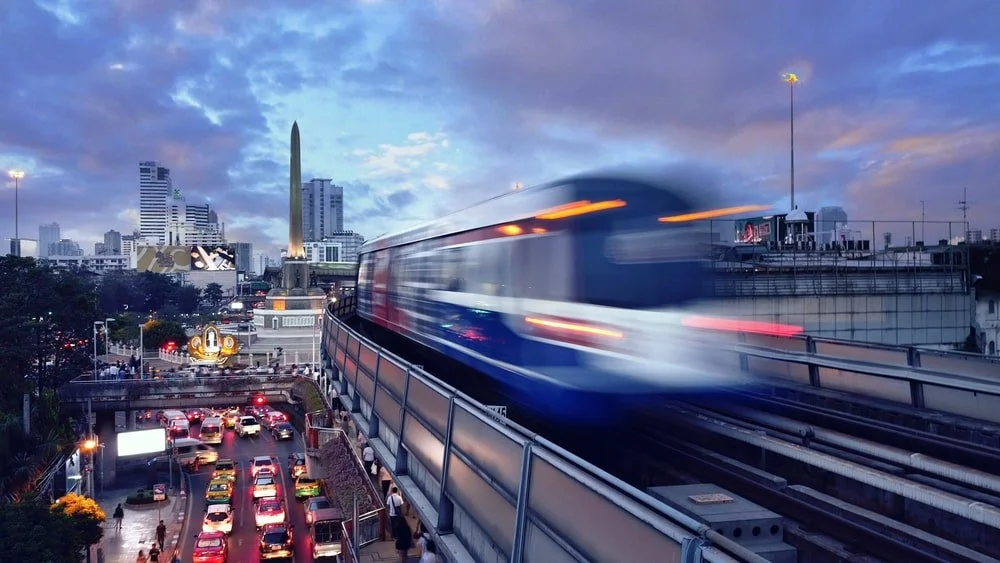
Photo by: Physics_joe via Shutterstock

Bangkok is a bustling metropolis that is home to thriving cultural and economic institutions. Its ability to serve as a hub for diverse individuals and possibilities hinges on the state of its infrastructure and facilities. As such, this framework fosters the development of a prosperous local transportation network that prioritizes both people and productivity. Bangkok's complex public transportation system is the subject of this article, which examines its history, its present network, and the impact of technological advancements. We demonstrate how Bangkok's transportation infrastructure has far-reaching cultural and social repercussions as the city races into an exciting future full of difficulties and opportunity.

The Evolution of Bangkok's Transportation System

Bangkok's public transportation system has undergone major changes. The formerly simple system has developed into an intricate web facing sophisticated modern constraints. The then young city relied mostly on bikes, boats, and the ever-present tuk-tuks for mobility. For a city with fewer residents and simpler structure, these methods for getting around were enough.

Bangkok's initial public transit systems were a game-changer for the city. Around the middle of the twentieth century, buses and boats emerged as important forms of public transit in populated areas. People could easily go from one side of the city to the other thanks to the boats that crossed rivers and the buses that ran to set timetables. This was the starting point for attempts to improve transportation planning and organization. It was a sign that city leaders were beginning to understand the need for long-term transportation infrastructure planning.

Even yet, the initial public transport networks in Bangkok struggled to meet the growing demand as the city and its citizenry expanded rapidly. The result was a chronic issue: traffic congestion. The roads got increasingly congested as the city's private automobile population rose and its infrastructure couldn't keep up. Due to inadequate urban planning and inadequate road infrastructure, the situation worsened, resulting in gridlocked traffic and inefficient transit.

It became immediately apparent that the city needed improved transportation alternatives, since traffic bottlenecks impaired economic growth and negatively impacted people's quality of life. Since traffic was only growing worse, Bangkok began a major initiative to upgrade its public transit system.

Bangkok's Answer To The City's Transport Problems

Bangkok's innovative transportation solutions are a sign of progress and ecological resilience in the face of changing urban surrounding:

The BTS Skytrain

The BTS Skytrain represents a significant milestone in Bangkok's transportation growth. Its modernity and efficiency have revolutionized urban transportation. Many of Bangkok's most significant destinations are accessible through the BTS Skytrain system, which consists of two primary lines: the Sukhumvit Line and the Silom Line. From the northernmost Mo Chit station to the southernmost Bearing station is where the Sukhumvit Line travels, while the Silom Line connects the westernmost stops at National Stadium and Bang Wa. All of these lines connect various businesses, homes, and cultural areas to form a vast transit network.

The BTS Skytrain has several major benefits. The system provides a fast means of transportation throughout the city, significantly reducing travel times compared to more conventional forms of transportation dependent on the use of roads. Elevated tracks allow trains to avoid ground-level congestion and speed passengers to their destinations. As rush hour traffic worsen throughout the day, this convenience is particularly welcome as it provides commuters with a dependable choice that helps them get to their destinations faster.

Plus, the BTS Skytrain makes getting about quite easy. The stops are conveniently placed near lively avenues, popular shopping areas, and residential regions. Due to this, a sizable percentage of the population won't have any problems moving about. The stations include modern amenities including central air conditioning and heating, lifts, and escalators, and are built to last. This makes public transportation more accessible to people of various ages and abilities.

The ability of the BTS Skytrain to alleviate congestion serves as one of the project's best benefits. The approach is essential for enhancing the city's notoriously terrible traffic as it motivates individuals to take public transportation instead of driving. Not only can the BTS Skytrain reduce traffic congestion and enhance people's quality of life, it also helps protect the planet by reducing pollutants and greenhouse gas emissions.

What To Expect: Although trains are efficient, clean, and on time, there may not be as much room as one would want. Be prepared for packed trains during rush hours, particularly in the morning and evening. Get ready for some standing during busy times, and keep an eye on your things.

The MRT Subway

With its extensive, linked network that is interoperable with the existing BTS Skytrain lines, Bangkok's MRT Subway has greatly increased the city's accessibility. The MRT system is widely used by the populace, namely the Blue Line and the Purple Line, the two main lines that it runs.

The Blue Line, the first of Bangkok's two MRT lines, runs from Hua Lamphong Station in the south to Bang Sue Station in the north. It connects directly to the BTS Skytrain at Silom and Sukhumvit, allowing passengers to easily switch between the two networks. This transfer makes getting anywhere within the city much simpler.

The Purple Line, alternatively, connects Tao Poon in the west to Khlong Bang Phai in the northwestern part of the city. It makes previously inaccessible locations accessible in a short amount of time. This expansion not only improves accessibility, but also reduces reliance on automobiles for navigating the city.

Connecting various modes of transport is an essential function of the MRT Subway. There are convenient transfer points between the MRT and BTS lines at major stations. This integrated strategy encourages individuals to make use of a wider variety of transportation options according to their individual needs and preferences. People are able to reach where they're going faster because there is less congestion at major transportation hubs when the two networks link up.

The integration of these modes of transportation has a profoundly positive impact on people's day-to-day lives. It's a comprehensive mode of transportation that eliminates the need to navigate busy streets. This new method streamlines travel, lessens anxiety, and boosts passengers' moods along the way.

What To Expect: The MRT offers a dependable and appealing experience, though it may become packed during peak times. Be ready to handle stairs or ramps, as some stations will not have escalators or elevators.

The Bus Rapid Transit System

Bus Rapid Transit (BRT) was implemented in Bangkok to alleviate the city's transportation woes and increase access to public transportation throughout the metro area. The BRT system has successfully fused the adaptability and low cost of bus travel with the speed and reliability more often associated with rail travel.

In the currently crowded Sathorn-Ratchaphruek corridor, the Bangkok Rapid Transit (BRT) system operates inside a designated bus lane. By linking key locations to important transit hubs, this 16-kilometer corridor has become an integral part of the city's larger transportation network. The locations of the BRT stations have been carefully planned to provide convenient connections to the BTS Skytrain and MRT Subway.

The cost-effectiveness of the Bus Rapid Transit (BRT) system is one of its most valuable features. The setup and maintenance of Bus Rapid Transit (BRT) systems are often less expensive than new rail lines. This system's cheap cost, ease of installation, and scalability make it an excellent option for rapidly expanding cities. Bus rapid transit (BRT) vehicles may help keep a system afloat economically since they need less capital and less maintenance than trains.

The BRT system's adaptability is remarkable. This system's adaptability and responsiveness to shifting transportation demands are shown by its capacity to provide adjustments to service routes and schedules in response to shifts in demand. In a metropolis, where both traffic and population distribution are subject to rapid changes, the ability to adapt quickly and efficiently is essential.

What To Expect: The BRT system provides a quicker option than buses, although buses may still face traffic holdups. Be prepared for a restricted route network and overcrowding, particularly during busy commuting hours.

Public Buses

Bangkok's extensive public bus system provides residents with a low-priced and easily accessible mode of transportation. The city's public bus system has long been a lifeline for its residents, providing quick and easy access to a wide variety of neighborhoods and locales.

Many locals still rely on public transportation options like buses to get them where they need to go inside the city without breaking the bank. Because of their low price, bus tickets are a popular choice among commuters who must travel often to and from work, school, and other important activities. Due to the extensive network of transportation options, a sizable portion of the population may rely on buses as a means of getting to their destinations quickly and easily.

Nevertheless, there are a number of issues with public transportation, the most significant of which being congestion and outdated vehicles. The unpredictability of Bangkok's traffic may be a major headache for bus riders. Even though it's intended to reduce congestion, public transit often fails to meet its full potential.

Additionally, a portion of the public bus fleet consists of older vehicles that lack amenities such as air conditioning or adaptations for those with mobility impairments. People may be turned off by these factors, particularly in urban areas where convenience and comfort are more crucial when deciding how to travel.

Combining heavy traffic with aging buses highlights the need for further public transit system investment and improvement. The implementation of plans to enhance bus lanes, prioritize bus routes, and introduce more modern, comfortable buses might help alleviate some of these issues. Moreover, enhancing the experience for everyone by including technology for real-time monitoring and scheduling adjustments might encourage more people to pick buses as their preferred mode of transportation.

What To Expect: Public buses offer a budget-friendly option, though they may take longer because of traffic conditions. Older models might lack air conditioning, so be ready for a ride that could be less comfortable, particularly in warm weather. Stay alert for pickpockets when it's busy around you.

Water Transportation

The Chao Phraya River and its intricate network of canals form the backbone of Bangkok's transportation system, making ships and boats an integral aspect of the city's infrastructure.

People and tourists alike may take advantage of the many ferries and boats that traverse the Chao Phraya River and the many canals. The Chao Phraya River, commonly known as the "River of Kings," has played a significant role in Bangkok's development and is an integral component of the city's history and culture. Ferries serve as a vital link in the city's transportation network, allowing residents to travel between neighborhoods that would otherwise be separated by the river. The city also has a network of waterways that may be navigated by boat to reach locations that may be inconvenient to get by road.

Taking a boat to reach where you're going is an extraordinary and exciting experience. A new vision of the city awaits those who choose to move about by boat. They have a panoramic view of the city and can see both historic sites and modern developments. Additionally, the ride is more peaceful and enjoyable because of the slower speed of water transportation in comparison to the frenetic pace of streets.

There is also plenty of room for the development of water transit. The increasing population of Bangkok, along with the persistent congestion of the city's roads, makes it imperative that the city prioritize the development of its water transportation infrastructure. Congestion on the roads might be alleviated and people could enjoy a picturesque way of transportation if there were more boat lines and better boat services.

What To Expect: Water taxis and boats offer a beautiful and quick way to travel. However, they may experience delays because of weather conditions or heavy water traffic. Be prepared for full boats during the busiest times, particularly on well-traveled paths. Plan your routes to minimize unnecessary transfers.

Ride-Sharing Apps

People in Bangkok now have a more convenient and up-to-date method to travel about thanks to ride-sharing applications. Users' requirements may be fulfilled by providing them with trip tracking and a selection of vehicles. These applications serve areas without convenient access to public transit by resolving issues with the "last mile" of connectivity.

To achieve its transportation objectives, Bangkok promotes carpooling, which reduces vehicle emissions and speeds up the city's transit system. Legislative roadblocks have been erected over concerns about electric automobiles' ability to compete with conventional ones. Governments have evolved throughout time to address this issue and maintain stability.

The city of Bangkok has been working hard to improve its transportation options, and ride-sharing applications have played a significant role in this. They provide on-demand mobility, reducing the need for individual vehicles in urban areas. These applications provide a convenient and flexible new option for getting about a city with heavy traffic and varied travel requirements.

What To Expect: Ride-sharing apps such as Grab offer convenience, yet they can be influenced by traffic conditions, particularly during busy times. Surge pricing can be in effect when ride demand is high and wait times differ. Make sure to check the driver's information before entering the vehicle.

FAQs

How will transportation in Bangkok develop in the years ahead?

The future of Bangkok's transportation is integrated and environmentally friendly. In order to handle the increasing urban population, the city plans to invest in improved transit, monitoring and time management, and other infrastructures.

What role may electric and hybrid cars play in the future of Bangkok's transportation system?

In highly populated metropolitan regions, electric and hybrid cars are becoming more popular as ecologically acceptable city transit solutions.

Does public transportation in Bangkok have cashless payment options?

Yes, you can pay for Bangkok's public transportation without cash with contactless smart cards and applications for mobile payment.

Final Thoughts

Transportation in Bangkok is dynamic, evolving to satisfy the needs of locals and tourists alike. By mixing traditional water transport with new ride-sharing applications with contemporary infrastructure like the BTS Skytrain and MRT Subway, the city delivers a complete and flexible mobility experience, tackling the issues of urbanization and boosting accessibility for everyone.

Editorial Team

A collective of local writers and explorers sharing the sights, flavors, and hidden gems of Bangkok. Our goal is to make your journey through the city unforgettable.

https://bangkokunmapped.com
Previous
Previous

5 Common Scams to Avoid in Bangkok

Next
Next

Temple Etiquette for Visitors with Tattoos